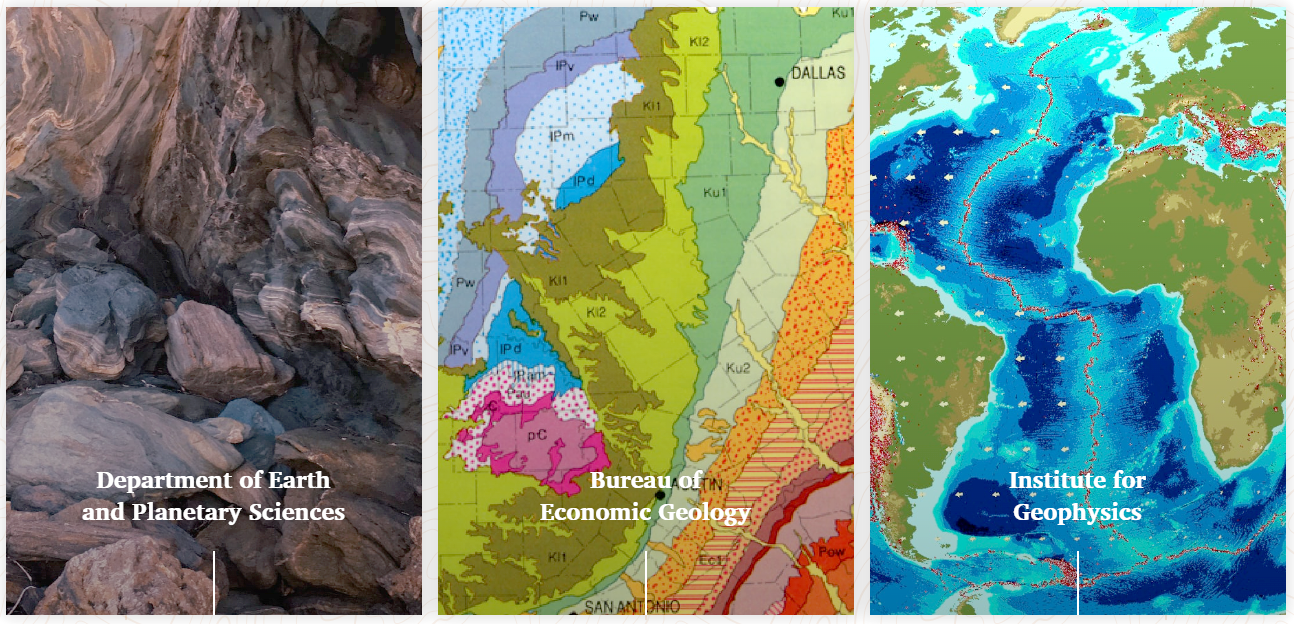
The Jackson School of Geosciences (JSG) combines three world-class integrated units, including the Bureau of Economic Geology, to offer a unique depth and breadth of educational and research opportunities.
The Energy Institute catalyzes and supports new research, cross-disciplinary educational programs and innovation across UT and serves as a convener of expertise to enable and lead significant and strategic energy research and education collaboration between academic, community, government, and industry partners.
The Energy Institute helps support UT’s students and over 450 faculty and research staff from UT’s top-ranked programs and centers in engineering, business, geosciences, natural sciences, architecture, law, and public affairs.
The Bureau of Economic Geology (BEG) is spearheading the Critical Materials Research Center effort. Established in 1909, the BEG is the oldest research unit of The University of Texas and is also the State Geological Survey of Texas. The BEG has been an integral part of the development of the state's economic success through the years with a mission to serve society by conducting objective, impactful, and integrated geoscience research on relevant energy, environmental, and economic issues.
The BEG plays an important role in undergraduate and graduate student education, providing a balance between the classroom and real-life applications.
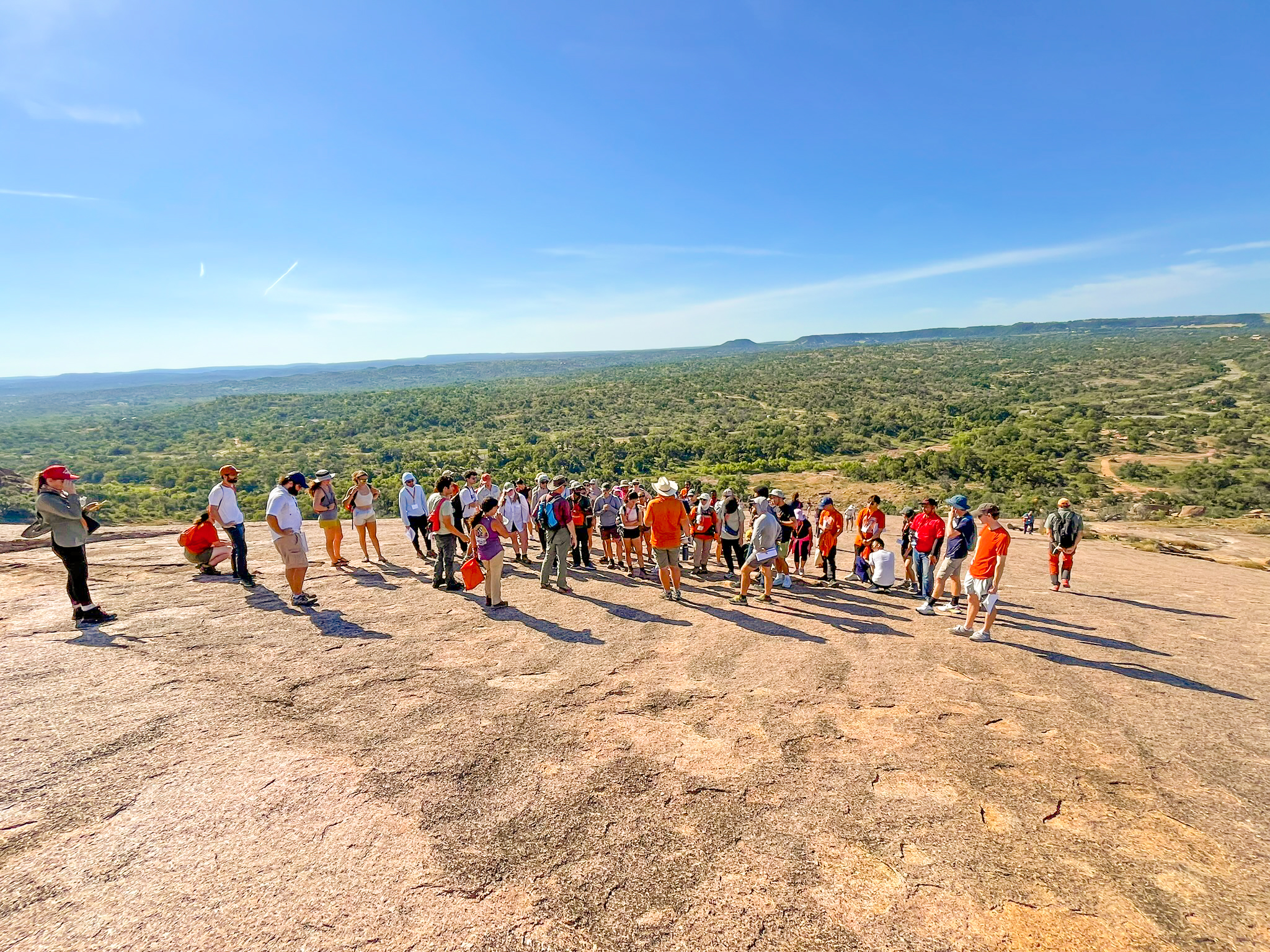
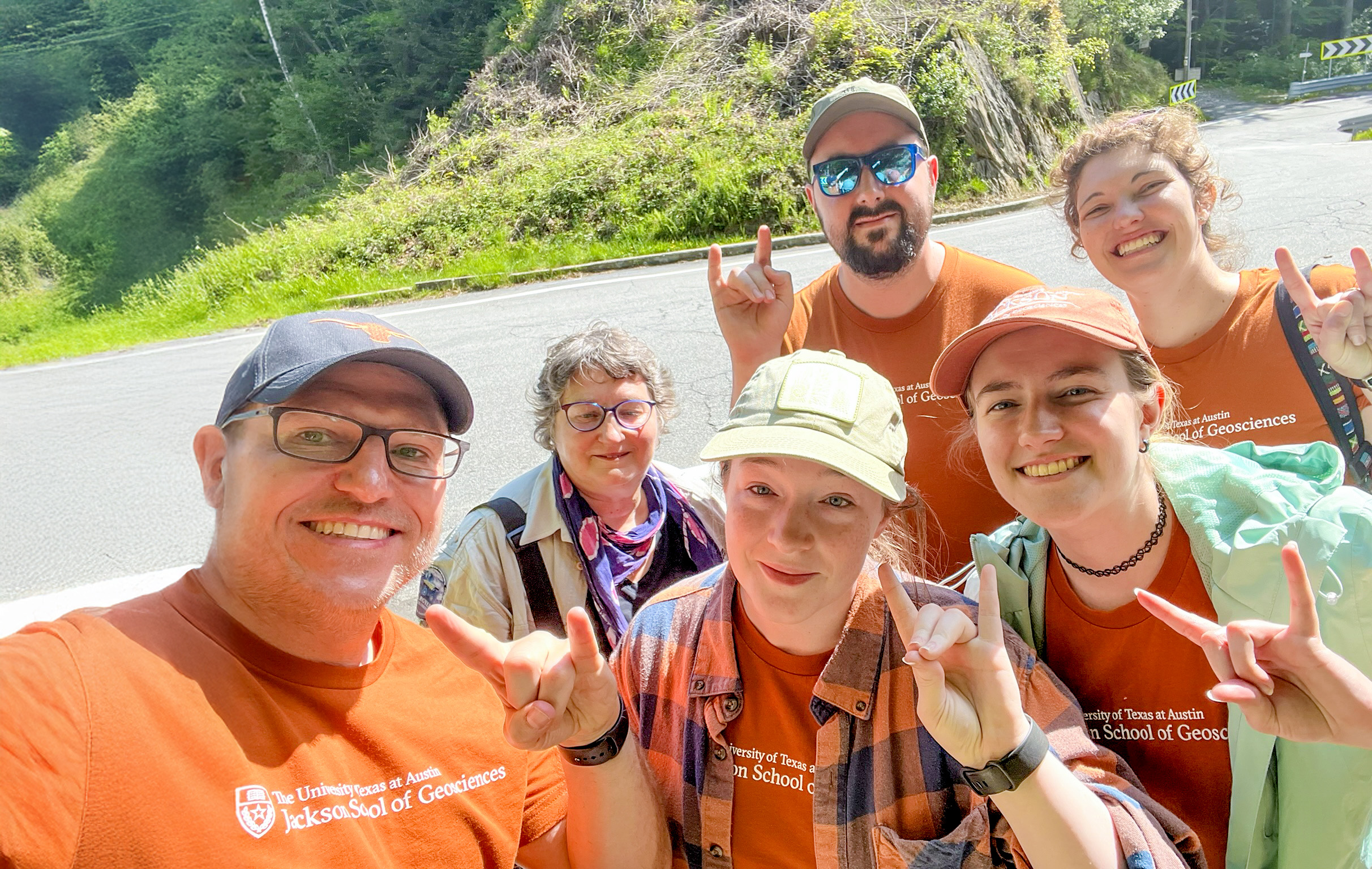
BEG researchers leading an international field trip to the Ivrea-Verbano Zone in Italy to investigate the critical mineral potential of the Alps.
Equinor Fellowship Program
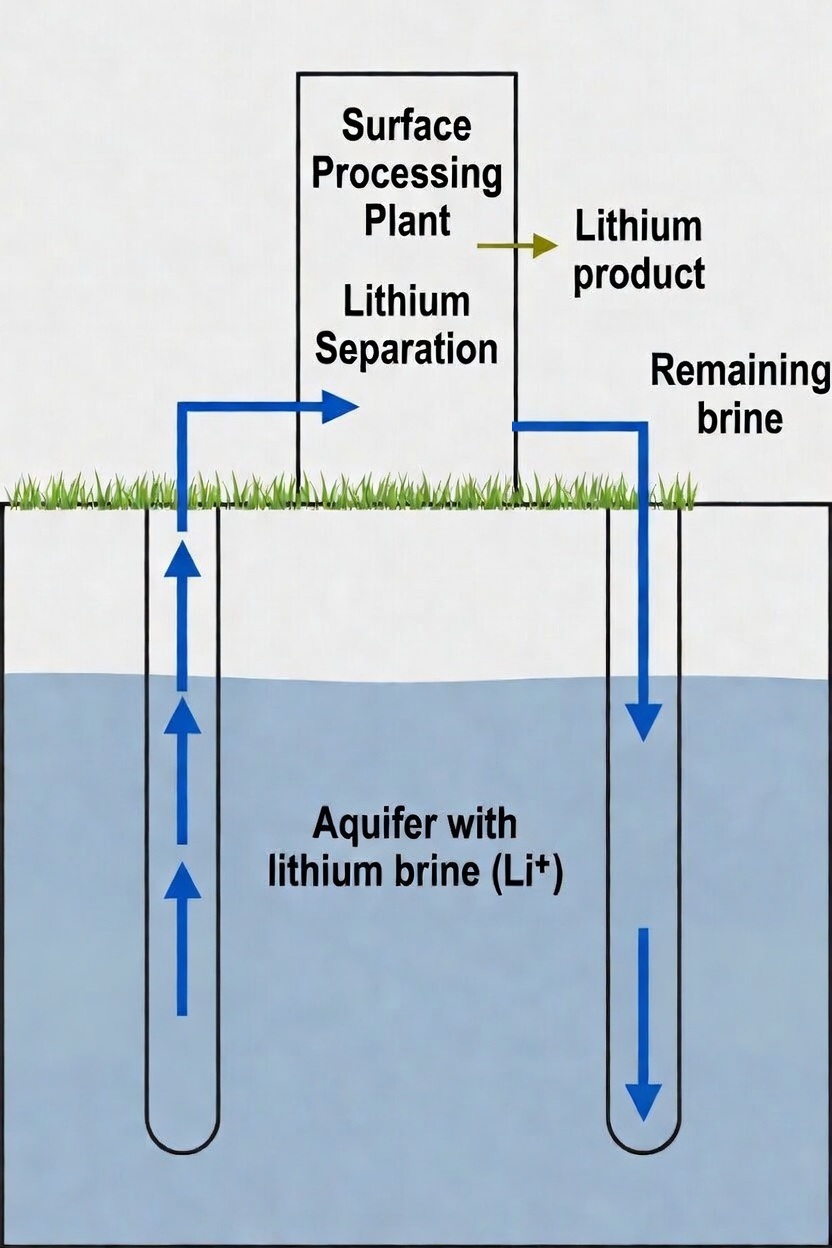
Reactive Transport Modeling of Lithium-Brine Production in the Smackover Formation, Southwest Arkansas
PhD student Doguhan Barlas Sevindik is funded by this Equinor Fellowship to develop a coupled reactive transport model to simulate lithium-brine production in the Smackover Formation, integrating fluid flow, solute transport, and geochemical reactions. The project combines laboratory-derived parameters (e.g., adsorption/desorption, mineral kinetics, and coreflood data) with reservoir-scale simulations. The goal is to optimize production and reinjection strategies to minimize low-lithium breakthrough and maximize cumulative lithium recovery.
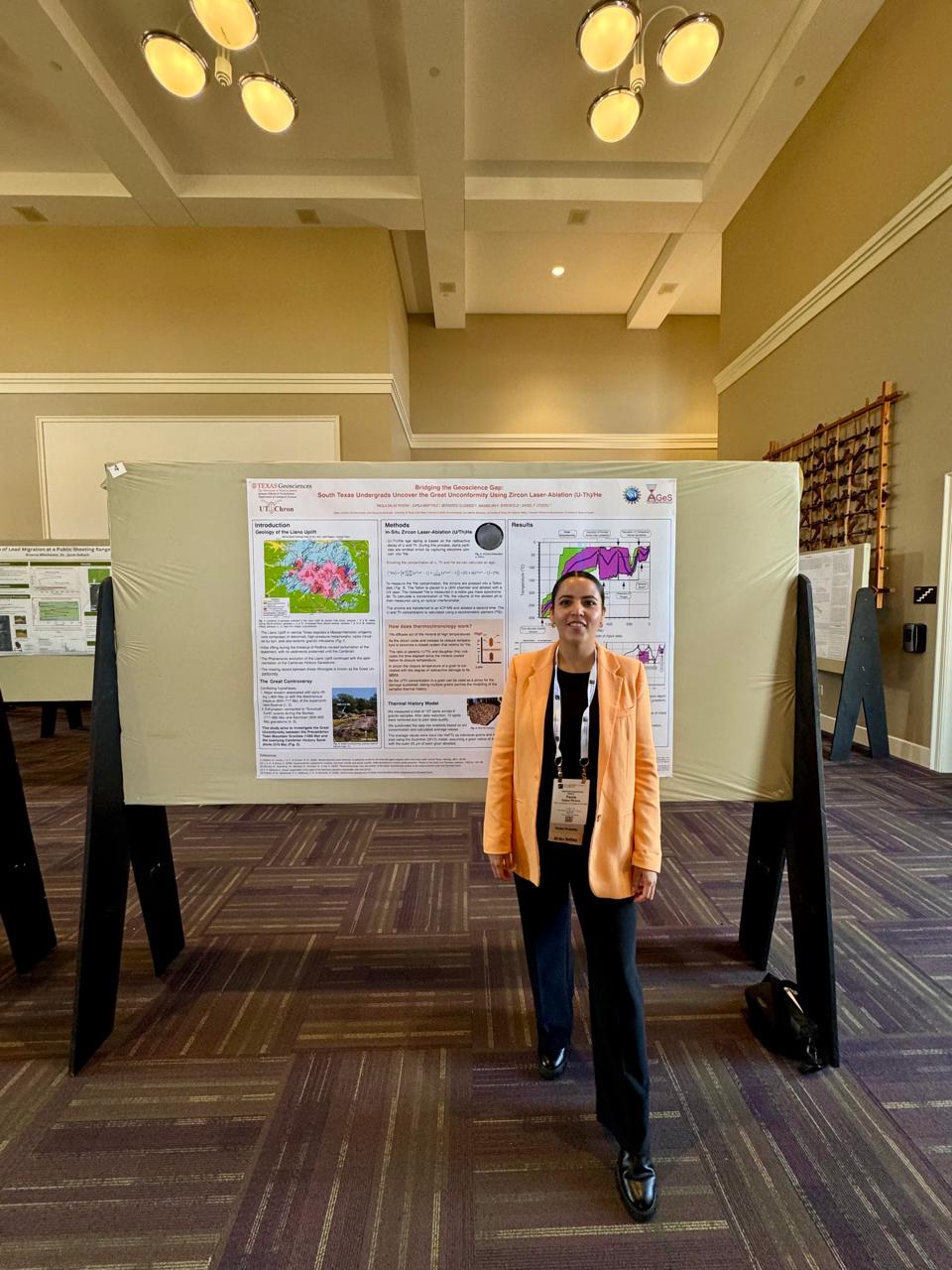
Paola Salas Rivera is a MSc student in the Department of Earth and Planetary Sciences, Jackson School of Geosciences at UT Austin where she is advised by Dr. Marek Locmelis and Dr. Daniel Stockli. Her research investigates the timing and evolution of magmatic and metasomatic processes in the lower crust and upper mantle of the Ivrea-Verbano Zone, Italy. Using phlogopite geochronology and mineral chemistry, her goal is to constrain the origin of mantle-derived melts and fluids associated with Ni-Cu-PGE mineralization, contributing to a better understanding of how mantle processes influence the concentration and redistribution of economically important elements in deep crustal environments.
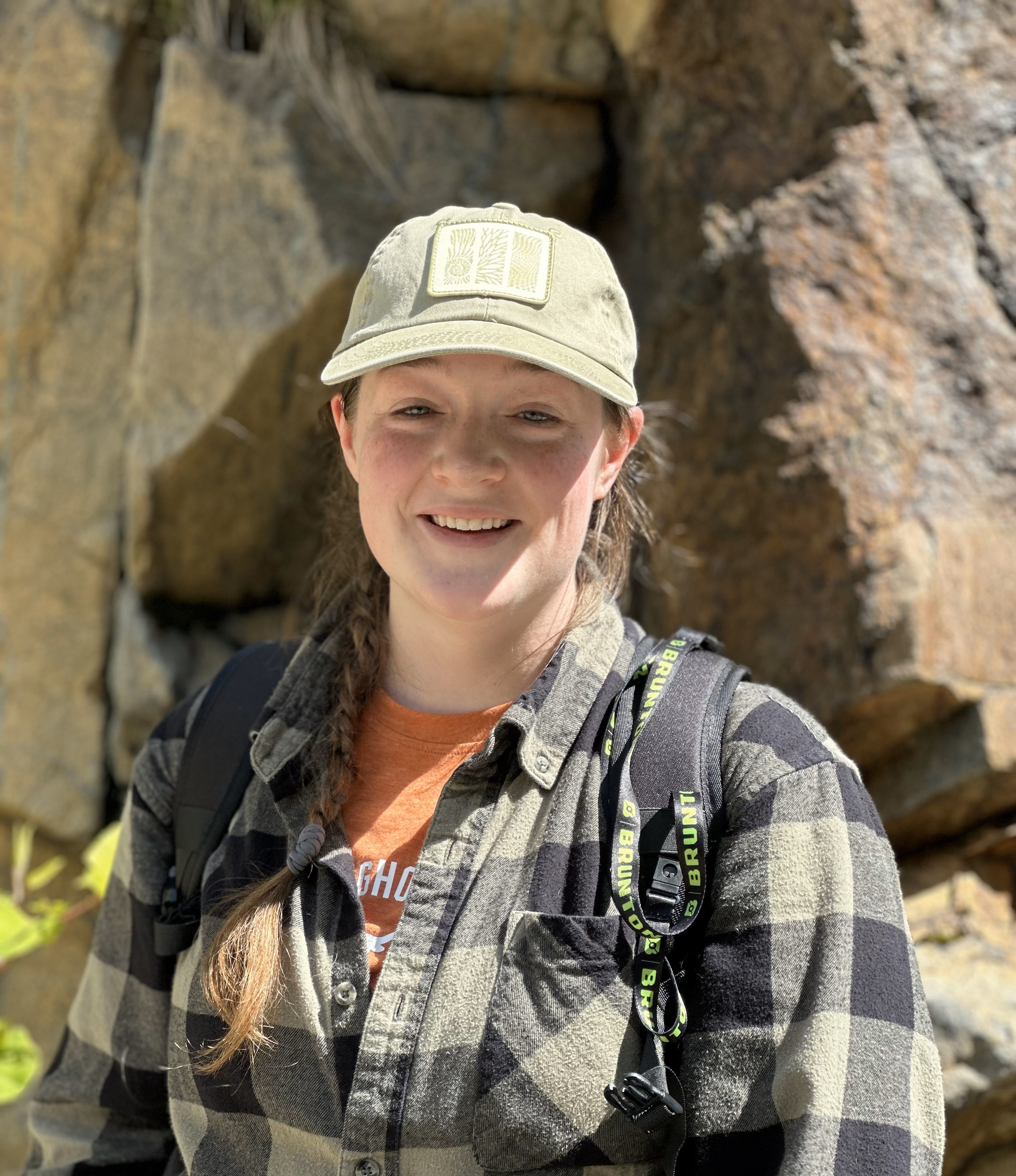
Shelby Clark is a PhD student in the Department of Earth and Planetary Sciences, Jackson School of Geosciences at UT Austin studying the genesis and geochemical constraints of ore deposits with an interest in expanding search spaces for metal exploration to secure future metal resources. Her research investigates the complex role of metasomatism and fluid-rock interactions in the generation of critical mineral-rich Ni-Cu-PGE sulfide deposits at the mantle-crust boundary. She is currently pursuing a PhD degree in the Jackson School of Geosciences and earned both BS and MSc degrees in Geology and Geophysics from Missouri University of Science and Technology.
Regan Swain is a MSc student the Department of Earth and Planetary Sciences, Jackson School of Geosciences at UT Austin. She earned her B.S. degree at Missouri University of Science and Technology in Geology and Geophysics. Her current work is over the genesis of the Bourbon iron ore deposit within the context of the geodynamic evolution of the St. Francois Mountains Terrane in southeast Missouri, USA.
Holiday O'Bryan is a first-year PhD student in the Department of Earth and Planetary Sciences, Jackson School of Geosciences at UT Austin. She earned her B.A. at Macalester College in Geology and Political Science. Her current work identifies and elucidates policy trends in the critical minerals sector in the United States over the last three decades with special focus on the legislative process. Her research aims to identify, characterize, and constrain the variables that control critical mineral enrichments in sphalerite (the primary ore mineral for zinc) in MVT deposits with the ultimate goal of increasing domestic critical mineral supply chain resilience.